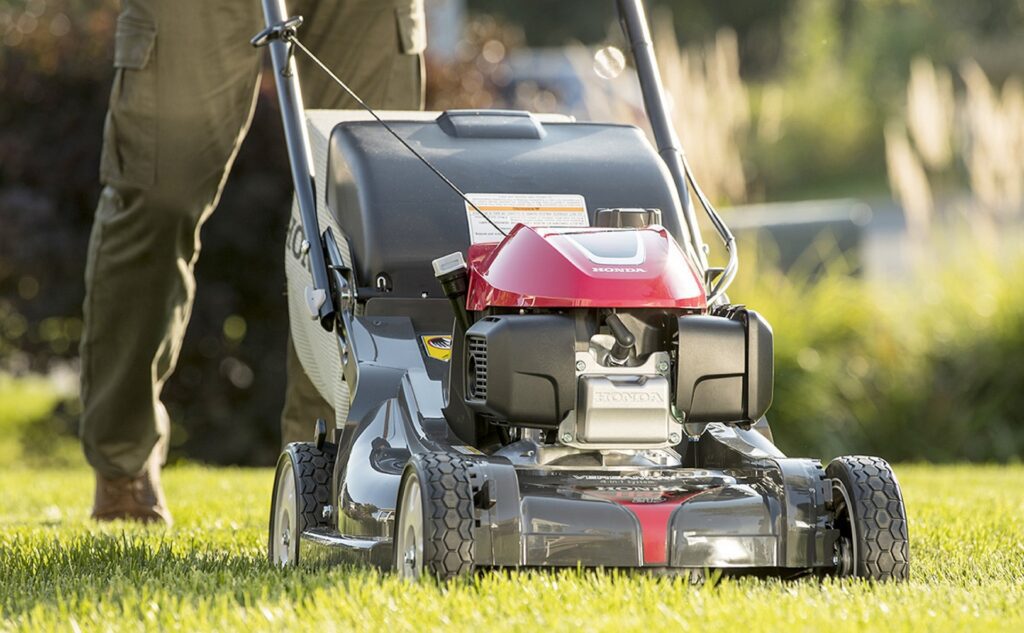
As November arrives in Central Indiana, many homeowners are ready to put away their lawn mowers for the season. But before you store your equipment, there’s one important question to consider: Should you mow your lawn one last time before winter?
The short answer is yes, in most cases. Your final lawn mowing before winter plays an important role in protecting your grass from cold-weather damage and preparing it for healthy growth next spring. However, knowing when to mow and how short to cut your grass makes all the difference.
Why Your Final Mow of the Season Matters
While your lawn may appear to have stopped growing, cool-season grasses commonly found throughout Indiana, including Kentucky bluegrass, perennial ryegrass, and tall fescue, can continue growing well into November when temperatures allow.
As soil temperatures drop, grass growth gradually slows. However, an early frost doesn’t necessarily mean your lawn has entered complete dormancy. A stretch of warmer weather can encourage additional growth, even after several cold nights.
Completing a final lawn mowing before winter helps maintain an appropriate grass height and reduces the likelihood of problems developing beneath snow or accumulated leaves.
Benefits of a final fall mowing include:
- Reduced risk of snow mold: Excessively long grass can become matted beneath snow, creating conditions favorable for fungal diseases.
- Improved airflow: Proper grass height helps prevent moisture from becoming trapped near the soil surface.
- Less winter matting: Shorter, properly maintained grass is less likely to bend over and form dense layers.
- Easier spring maintenance: A well-maintained lawn can be easier to manage when growth resumes.
What Is the Best Grass Height Before Winter?

For most cool-season lawns in Central Indiana, a final mowing height of approximately 2.5 to 3 inches is a good target.
Throughout the growing season, many homeowners maintain their grass at 3 to 4 inches to encourage deeper roots, conserve moisture, and reduce summer stress. As temperatures cool and growth slows, gradually lowering the mowing height can help prepare the lawn for winter.
However, avoid making a dramatic height adjustment in a single mowing.
Follow the one-third rule: Never remove more than one-third of the grass blade during a single mowing. Cutting too much at once can stress your lawn, weaken the turf, and leave it more vulnerable to winter injury.
For example, if your grass is currently 4 inches tall, consider lowering the mower gradually over your remaining cuts rather than immediately dropping it to 2.5 inches.
Remember, shorter isn’t always better. Scalping your lawn exposes the crowns of grass plants and can increase their susceptibility to temperature extremes.
When Should You Stop Mowing Your Lawn in Indiana?
There’s no universal calendar date for the last mowing of the season. In Central Indiana, lawns often continue growing into November, depending on temperatures, rainfall, and overall weather conditions.
Rather than relying on a specific date, pay attention to your lawn’s growth.
Signs it’s time to stop mowing include:
- Grass growth has noticeably slowed or stopped.
- Daytime temperatures are consistently cooler.
- Your lawn no longer needs regular trimming.
- The ground is becoming frozen or excessively wet.
If temperatures warm up and your grass begins growing again, another mowing may be beneficial.
Avoid mowing when the grass is frozen or covered in frost. Walking or operating equipment on frozen turf can damage grass blades. Likewise, mowing saturated soil can create ruts and contribute to soil compaction.
Don’t Forget About Fallen Leaves
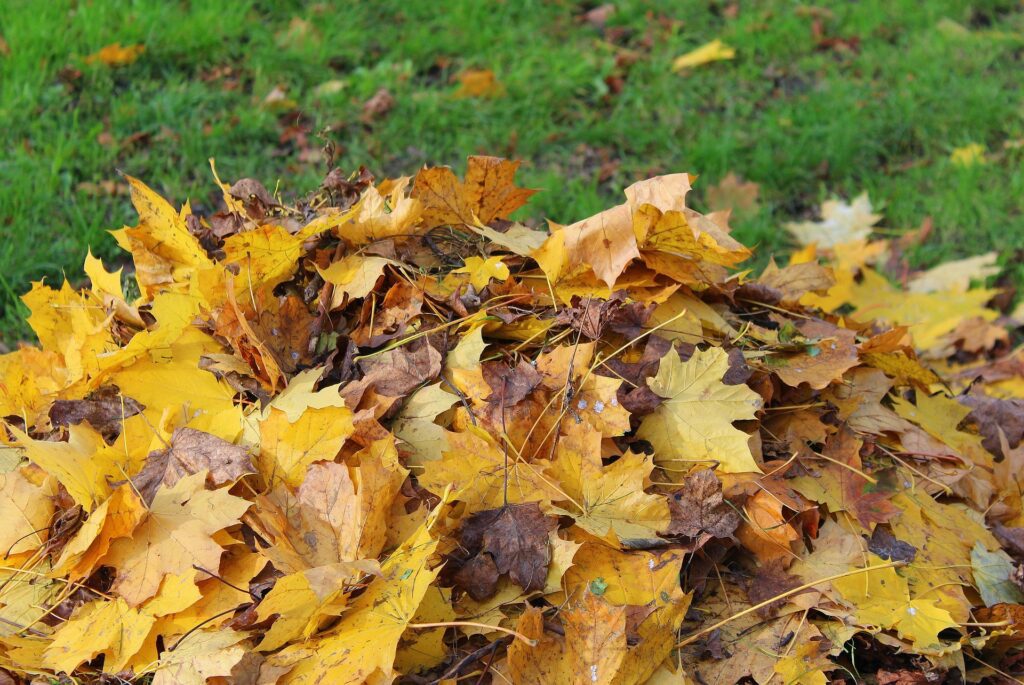
Your final mowing before winter is also an excellent opportunity to address fallen leaves.
A light layer of dry leaves can often be mulched into small pieces using your mower. These finely shredded leaves break down over time, returning organic matter and nutrients to the soil.
However, thick layers of leaves should be removed or redistributed. When leaves accumulate and become wet, they can block sunlight, restrict airflow, and smother the grass beneath them.
Before putting your mower away, make sure your lawn isn’t buried beneath a heavy blanket of leaves.
Other Important Lawn Care Tasks Before Winter
Mowing is just one part of preparing your Indiana lawn for the colder months.
Late-season fertilization, when appropriately timed, can help cool-season turf maintain healthy roots and support its transition into winter dormancy. Keeping your lawn clear of debris and avoiding unnecessary traffic on frozen or saturated grass can also help minimize winter damage.
Taking care of these small details now can make a noticeable difference when your lawn begins growing again next spring.
Give Your Lawn a Strong Start Next Spring
Your final lawn mowing before winter doesn’t need to be complicated. Continue mowing while your grass is actively growing, gradually adjust the cutting height, and avoid cutting too short.
At Brooklawn Services, we understand the seasonal challenges Central Indiana lawns face. Our professional lawn care programs are designed to support healthy turf throughout the changing seasons, from fall preparation to spring green-up.
Have questions about preparing your lawn for winter or planning next year’s lawn care? Contact Brooklawn Services today at (888) 794-9555 to learn how we can help keep your lawn healthy year-round.