Understanding Winter Lawn Dormancy As temperatures drop across Indiana and the growing season comes to an end, your once-green lawn may begin to fade into shades of tan and brown. While this change can be concerning for homeowners, it’s actually a natural part of your lawn’s yearly life cycle. This process is known as winter lawn dormancy, and it plays an important role in helping grass survive the colder months.
But what exactly happens to your lawn during winter? Is the grass still alive beneath the surface?
And what can you do now to help ensure a healthy return in spring?
Understanding how your lawn responds to winter conditions can help you make better lawn care decisions throughout the year.
What Is Winter Lawn Dormancy?
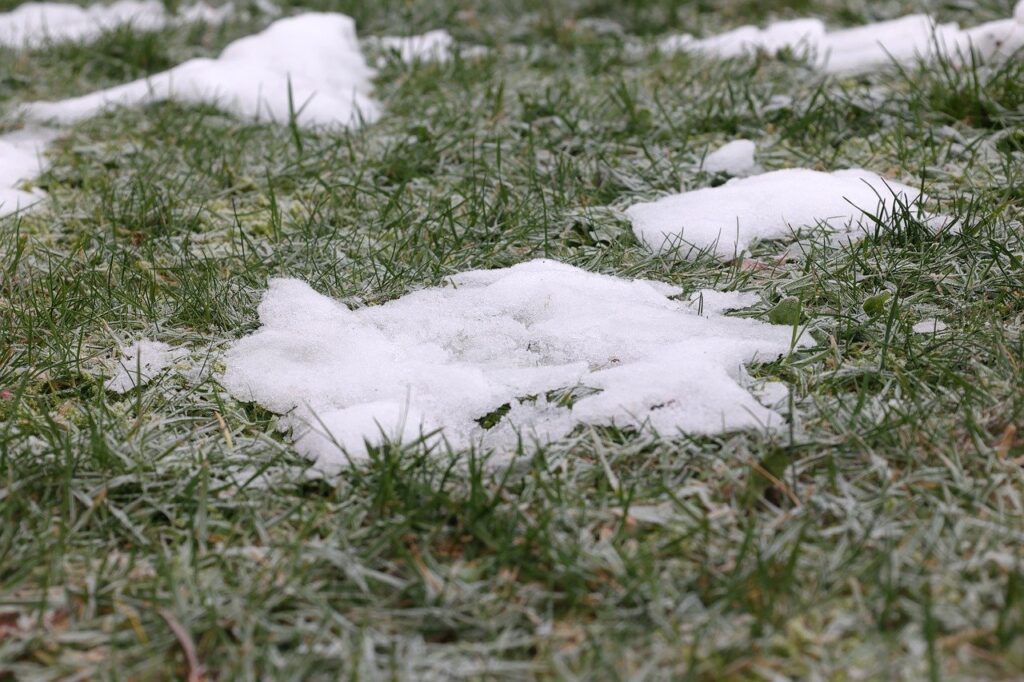
Winter lawn dormancy is a natural survival response in which grass significantly slows its growth and conserves energy during periods of cold temperatures and reduced sunlight.
Most Indiana lawns contain cool-season grasses, including Kentucky bluegrass, perennial ryegrass, and tall fescue. These grasses thrive during the cooler temperatures of spring and fall but slow their growth as winter approaches.
As soil temperatures decline, grass gradually reduces its metabolic activity. The blades may lose their vibrant green color, but the crown (the growing point near the soil surface) and root system can remain alive beneath the surface.
Think of dormancy as your lawn entering an energy-saving mode. Rather than actively producing new growth, the grass focuses on surviving until favorable conditions return.
What Happens Beneath the Soil During Winter?
Although your lawn may appear inactive above ground, important biological processes continue below the surface.
1. Grass Growth Slows Dramatically – During the growing season, grass uses sunlight, water, and nutrients to produce energy through photosynthesis. As temperatures fall and daylight hours shorten, photosynthesis and growth slow considerably.
Eventually, grass may stop producing noticeable new leaf growth. However, this doesn’t necessarily mean the entire plant has stopped functioning.
2. Roots Remain Alive – One of the most important facts about winter lawn dormancy is that the root system remains alive when the grass is healthy.
Cool-season grass roots can continue limited growth and activity when soil conditions are favorable, even after aboveground growth has slowed. Once the soil freezes, root activity becomes extremely limited.
Healthy roots help the lawn survive winter and support renewed growth when temperatures rise.
3. Stored Energy Supports Survival – Throughout fall, cool-season grasses accumulate carbohydrates that serve as energy reserves during winter.
These stored nutrients help sustain living plant tissues and support recovery in spring. This is one reason proper fall fertilization is so valuable. Applying appropriate nutrients while the grass is still actively growing can support root health and energy storage before winter arrives.
4. Soil Biology Continues at a Slower Pace – Your lawn’s soil contains beneficial microorganisms that help break down organic matter and cycle nutrients.
As temperatures decrease, microbial activity slows significantly. However, some biological processes can continue whenever soil conditions allow.
This underground ecosystem is an important part of maintaining healthy turf throughout the year.
Does Brown Grass Mean Your Lawn Is Dead?
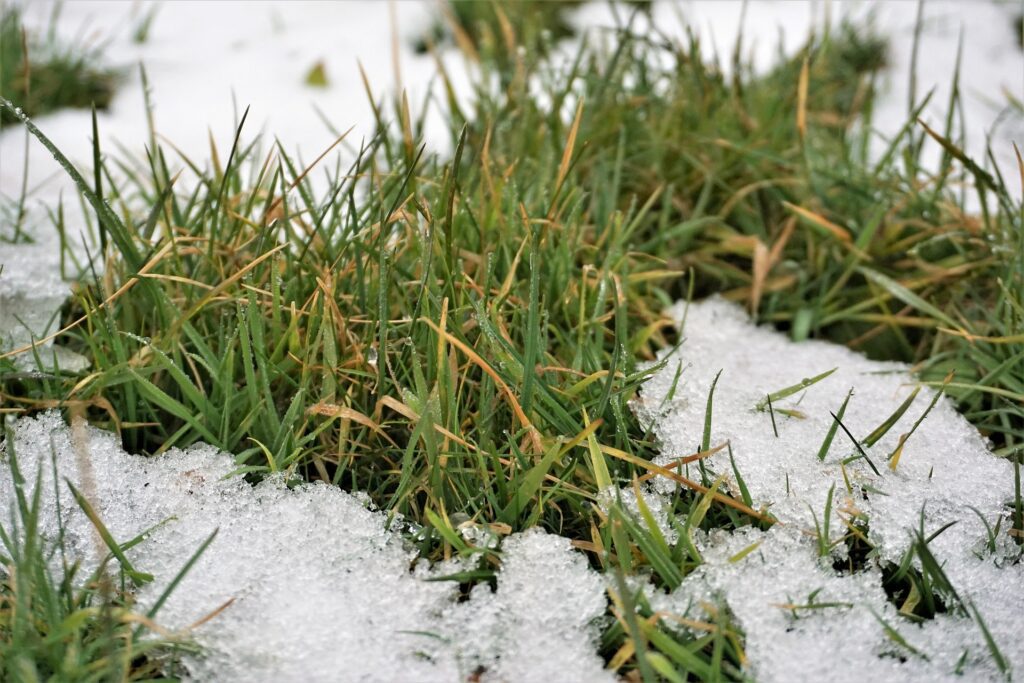
Not necessarily! A brown lawn during winter is often completely normal.
Dormant grass may lose much of its green color because chlorophyll production and overall plant activity decline. However, dormant grass is different from dead grass.
Dormant grass retains living crowns and roots capable of producing new growth when conditions improve.
Dead grass has lost its ability to recover and will not green up when spring arrives.
Keep in mind that not all Indiana lawns turn completely brown. Depending on grass varieties, temperatures, moisture, and sunlight, some lawns may retain patches of green throughout winter.
How Can You Protect Your Lawn During Winter Dormancy?
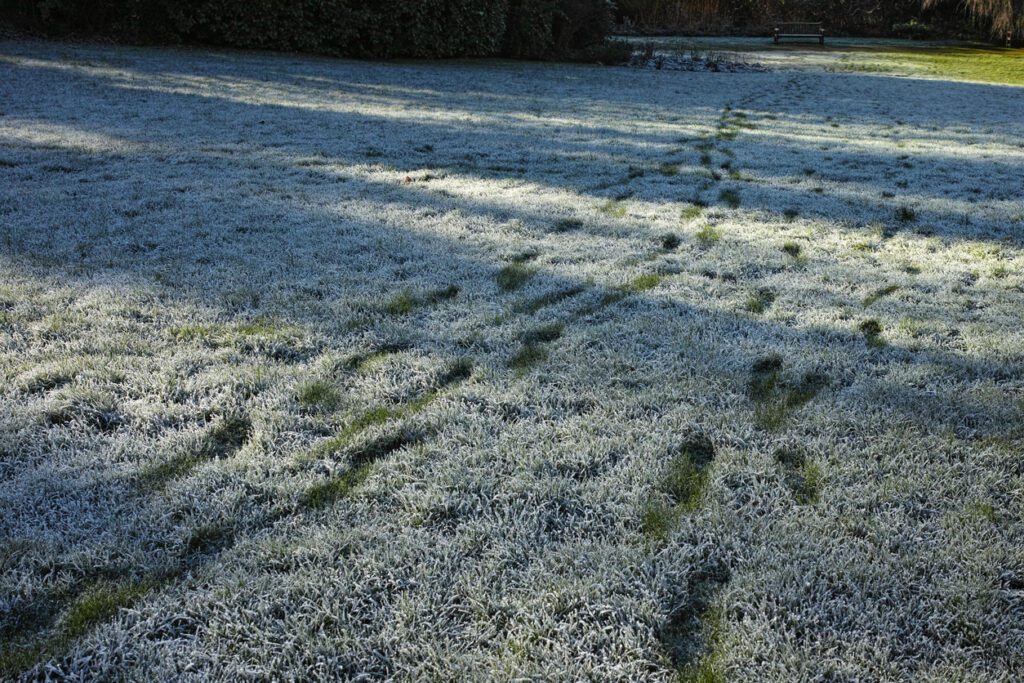
While winter lawn dormancy requires less active maintenance, a few preventative measures can help protect your turf.
- Keep leaves under control: Remove or mulch heavy leaf accumulations before winter to prevent grass from becoming smothered.
- Avoid excessive foot traffic: Frozen grass blades and crowns can be damaged by repeated walking or playing, especially when the lawn is covered in frost.
- Prevent soil compaction: Avoid driving or parking heavy equipment on your lawn, particularly when the ground is saturated.
- Be mindful of snow piles: Repeatedly piling snow mixed with road salt onto turf can contribute to winter damage.
- Complete fall lawn care: Proper mowing, fertilization, and seasonal maintenance help
prepare your grass for colder weather.
These simple steps can reduce unnecessary stress and support a healthier lawn when spring returns.
When Will Your Lawn Come Out of Dormancy?
As winter transitions into spring, increasing daylight and warmer soil temperatures signal your grass to resume active growth.
For many Indiana lawns, noticeable green-up begins during March or April, depending on weather conditions and grass varieties.
The lawn gradually uses its stored energy reserves to produce new leaves while root activity increases as the soil warms.
It’s important to remember that spring green-up doesn’t happen overnight. Some areas may recover faster than others due to differences in sunlight, drainage, soil temperature, and turf health.
A Healthy Spring Lawn Starts Before Winter

Understanding winter lawn dormancy helps homeowners recognize that a quiet, brown lawn isn’t necessarily an unhealthy one. Beneath the surface, your grass is conserving energy and preparing for another growing season.
At Brooklawn Services, we understand the seasonal needs of Indiana lawns. Our professional lawn care programs are designed to support healthy turf throughout the year, from fall preparation to spring green-up.
Want to give your lawn the best chance for a healthy start next spring? Contact Brooklawn Services at (888) 794-9555 to learn more about our professional lawn care programs and how we can help your lawn thrive year after year.